What Is Dampness in Traditional Chinese Medicine?
In Traditional Chinese Medicine (TCM), dampness is one of the main factors that disrupts health. To understand dampness, think less in terms of disease and more in terms of environment.
Imagine trying to light a fire with wet wood.
No matter how strong the flame, the fire struggles. Smoke builds. Heat can’t circulate. Everything feels heavy and sluggish.
That’s dampness.
Dampness is anything in the body that is heavy, sticky, slow, or congested. It blocks normal movement—of digestion, circulation, energy, and fluids.
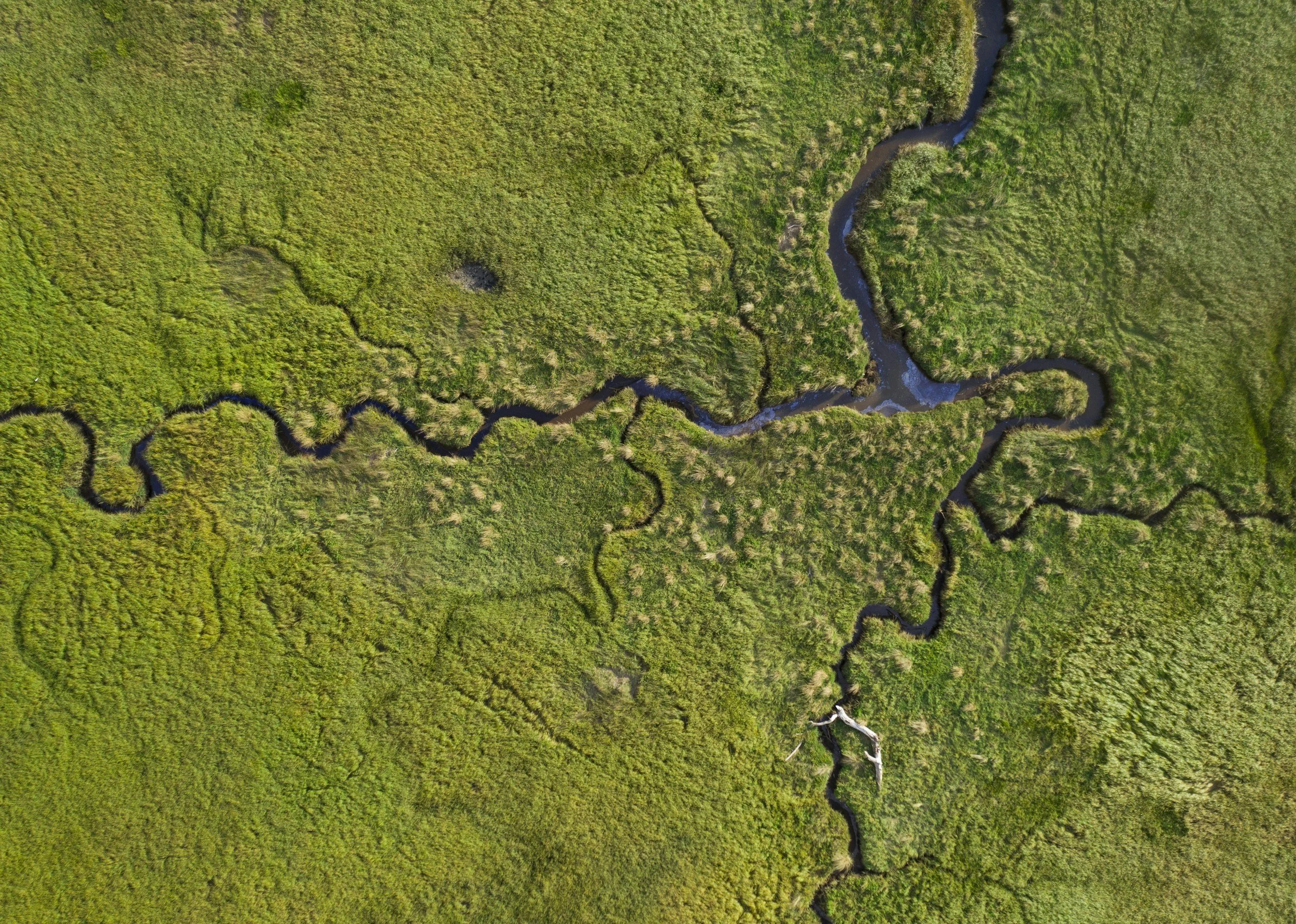
In another example, imagine dampness is like a bog or wetland—waterlogged, heavy, and slow-moving. When the ground stays wet for too long, organic matter can’t fully break down; it begins to stagnate, ferment, and breed moss, mold, and bacteria—much like how dampness in the body creates bloating, mucus, brain fog, and inflammatory skin issues.
In a bog, even healthy plants struggle to root deeply because the soil lacks air; similarly, when the body is damp, nutrients and energy can’t circulate efficiently. Dampness doesn’t move quickly—it lingers, accumulates, and quietly weighs everything down, making conditions feel chronic and hard to clear.
Healing dampness is like restoring proper drainage: once water can flow again, the land dries, oxygen returns, and life becomes healthy and resilient.
Where Does Dampness Come From?
Dampness can come from outside the body and inside the body.
External Dampness
Examples include:
Living in a cold, wet, or rainy climate
Mold or water damage in the home
Prolonged exposure to humidity
Just as clothes take longer to dry in humid weather, the body can struggle to “dry out” internally when exposed to damp environments.
Internal Dampness
This is more common—and more important.
Internal dampness is often created by:
Weak digestion
Excess sugar or dairy
Fried, greasy, or processed foods
Cold foods and drinks
Chronic stress
When digestion is weak, fluids aren’t transformed properly—and dampness accumulates.
What Does Dampness Feel Like in the Body?
Dampness doesn’t move easily. It settles, lingers, and weighs things down.
Digestive Symptoms
Dampness often shows up first in digestion:
Bloating
Gas
Heaviness after meals
Loose stools or alternating stools
Conditions like IBS, SIBO, colitis, or inflammatory gut disorders
Think of digestion like a sponge—when it’s already soaked, it can’t absorb anything else.
Joint Pain & Stiffness
Dampness can lodge in the joints, causing:
Swelling
Stiffness
Achy or heavy pain
Arthritis, gout, or inflammatory joint conditions
This pain often feels worse in damp weather—a classic sign.
Respiratory Issues
When dampness affects the lungs, it can lead to:
Phlegm
Chronic coughing
Congestion
Asthma or bronchitis flare-ups
Dampness thickens fluids, making mucus harder to clear.
Fatigue & Brain Fog
Because dampness slows circulation of Qi (energy) and blood, it often causes:
Heavy fatigue
Lethargy
Brain fog
Difficulty concentrating
Headaches, sinus pressure, clogged ears
You may feel tired even after sleeping—because energy isn’t moving.
Skin Conditions
Dampness can surface through the skin as:
Acne
Eczema
Rashes
Oozing or inflamed lesions
In TCM, the skin is often a release valve for internal congestion.
How Do I Resolve Dampness?
The key to resolving dampness is transformation, not restriction.
You don’t starve dampness—you dry it out and move it.
Foods That Create Dampness (Limit or Avoid)
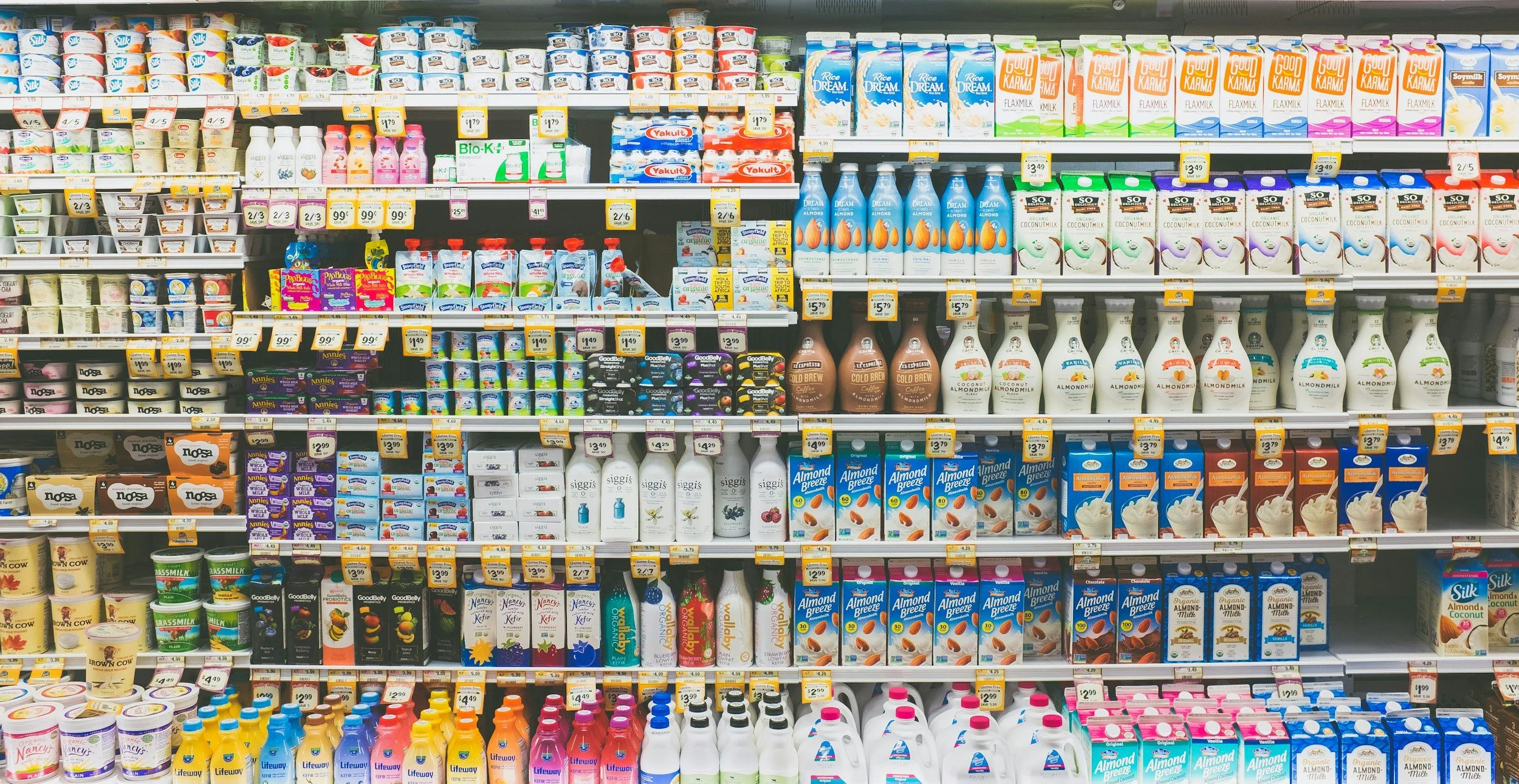
Dairy
Milk, cheese, yogurt
Damp-producing and phlegm-forming in excess
(Moderation matters—dairy isn’t “bad,” but quantity counts)
Sugar & Sweets
Sugar feeds dampness and inflammation
Leads to bloating, fatigue, and hormone disruption
Fried & Greasy Foods
Heavy, slow, and overwhelming to digestion
Processed Foods
Additives and preservatives burden digestion and create internal congestion
Cold Foods & Drinks
Ice water, smoothies, cold salads
These weaken digestive “fire,” allowing dampness to build
Foods That Help Transform Dampness
These foods act like sun and airflow—drying and mobilizing internal congestion.
Barley
Gently drains dampness
Supports digestion and fluid metabolism
Millet
Strengthens digestion
One of the best grains for dampness
Ginger, Garlic, Onions
Warm and pungent
Move stagnation and dry dampness
Leafy Greens
Help clear excess and support detox pathways
Lemon
Cuts through heaviness
Stimulates digestion and bile flow
Warm, Cooked Foods
Soups, stews, roasted vegetables
Easier to digest and less damp-forming
The Big Picture
Dampness thrives in cold, stagnation, and overload.
It resolves with warmth, movement, and simplicity.
When dampness clears, people often notice:
Better digestion
Less joint pain
Clearer thinking
More energy
Improved skin
Reduced inflammation
Final Thought
In TCM, dampness is not a diagnosis—it’s a state.
And states can change.
By recognizing dampness and adjusting food, habits, and environment, the body regains its ability to move, digest, and heal naturally.
Sometimes healing isn’t about adding more—it’s about removing the things that harm us.