
What to Expect at an Acupuncture Treatment
What to Expect at an Acupuncture Treatment
If you’ve never tried acupuncture before, it’s completely normal to feel curious—and maybe a little unsure—about what the experience will be like. Acupuncture is a gentle, supportive therapy rooted in Traditional Chinese Medicine (TCM) that focuses on helping your body restore balance and communicate more effectively with itself.
Here’s what you can expect when you come in for an acupuncture session.

Your First Visit: A Conversation First
Your first appointment always begins with a thorough conversation. This is your time to be heard.
We’ll talk about:
Your current symptoms and health concerns
Sleep, digestion, energy, stress, and mood
Medical history, medications, and lifestyle
Your goals for care
In TCM, symptoms are viewed as clues about the body’s internal patterns. Rather than focusing on a single issue, we look at how systems are connected—so this intake helps guide a personalized approach.

Assessment & Gentle Observation
Your practitioner may also:
Observe your tongue (a traditional diagnostic tool in TCM)
Take your pulse at both wrists
Notice posture, movement, and areas of tension
These observations help determine how your nervous system, digestion, circulation, and energy are functioning together.
The Acupuncture Treatment Itself
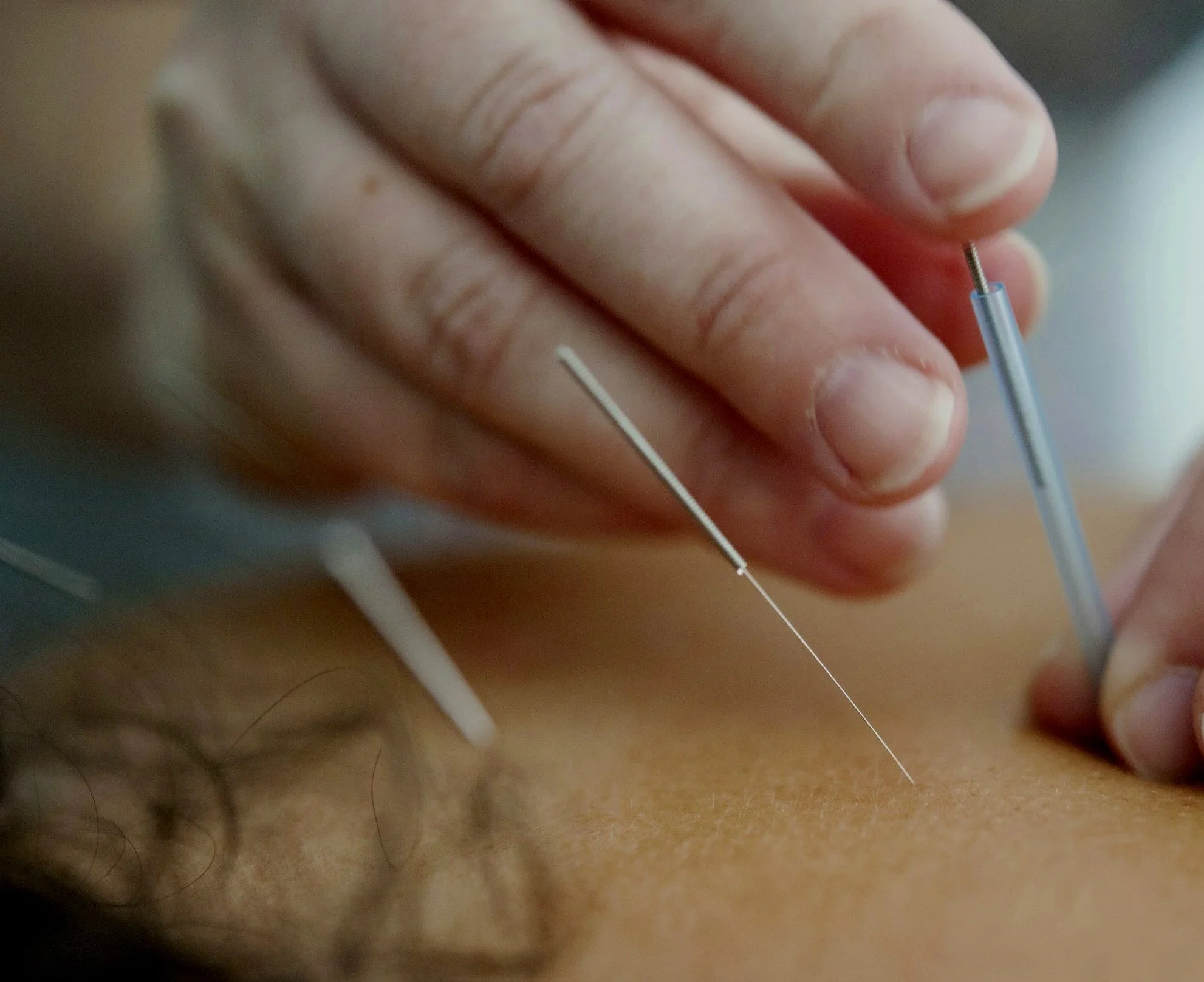
Once you’re comfortably settled on the treatment table, very thin, sterile, single-use needles are gently placed at specific points on the body. Most people are surprised by how subtle this feels.
Common sensations include:
A light pressure
Warmth
A gentle heaviness or relaxation
A soft “buzzing” or spreading sensation
Many people feel deeply calm during treatment—some even fall asleep.
You’ll rest quietly for about 20–30 minutes while the acupuncture points do their work, signaling the nervous system to shift into a more relaxed, restorative state.
Optional Supportive Modalities
Depending on your needs, your session may also include:
Gentle bodywork or manual therapy
Cupping or gua sha
Infrared Heat therapy
Electro-acupuncture for pain support
Breathing or grounding techniques
These are always discussed beforehand and tailored to your comfort level.
After the Session: What You Might Notice
After acupuncture, people commonly report:
A sense of calm or clarity
Improved sleep that night
Reduced tension or discomfort
Feeling lighter or more grounded
Some people notice subtle shifts right away, while others experience gradual changes over a few sessions. It’s also normal to feel relaxed or slightly tired afterward—your body is integrating.
How Many Sessions Will I Need?
Acupuncture works best when approached as a series rather than a one-time visit.
While everyone is different, a common starting plan is:
Once weekly for 4–6 weeks
Then reassessing progress and adjusting frequency
Your practitioner will check in regularly and collaborate with you on a plan that feels supportive and sustainable.
Is Acupuncture Safe?
Yes. Acupuncture is considered a safe, low-risk therapy when provided by a licensed practitioner. Needles are sterile, single-use, and disposed of immediately after treatment.
Licensed acupuncturists complete extensive graduate-level training in:
Traditional Chinese Medicine
Anatomy and physiology
Western biomedicine
Clean needle technique and safety
Your comfort and safety are always the priority.
A Space to Slow Down and Reset
Many people describe acupuncture as one of the few places where they truly get to pause—without pressure, without expectations.
Whether you’re seeking support for pain, stress, sleep, digestion, hormonal transitions, or simply a deeper sense of balance, acupuncture offers a calm, thoughtful space to reconnect with your body.
If you’re curious, the best way to understand acupuncture is to experience it for yourself.