A white mug filled with tea, topped with two lemon slices, resting on a cozy, beige knitted blanket.

In Traditional Chinese Medicine (TCM), food is more than fuel—it is daily medicine. One of the most important dietary principles in TCM is eating warm or cooked foods, especially for digestion, energy, and mental clarity.

This idea centers around a concept known as digestive fire—the body’s ability to break down food, absorb nutrients, and turn what we eat into usable energy.

Cold or raw foods require the body to spend extra energy warming them before digestion can even begin. Over time, this drains digestive fire.

Warm foods, on the other hand:

  • Are easier to digest

  • Support nutrient absorption

  • Help maintain steady metabolism

  • Reduce bloating and stagnation

This is why TCM strongly favors soups, stews, porridges, and cooked vegetables, especially in the morning and colder months.

The Importance of Hot or Warm Foods in Traditional Chinese Medicine

Nourish, womens health, fertility, gut health, Food Therapy Dr. Audrey Powell L.Ac. DACM Nourish, womens health, fertility, gut health, Food Therapy Dr. Audrey Powell L.Ac. DACM

The Importance of Hot or Warm Foods in Traditional Chinese Medicine

In Traditional Chinese Medicine (TCM), food is more than just fuel for the body; it is medicine that can restore balance and harmony. One important aspect of TCM dietary therapy is the emphasis on consuming hot or warm foods. This practice is closely tied to the concept of "digestive fire," which plays a vital role in how our bodies process food and absorb nutrients. By eating warm foods, we can nurture our digestive system, support overall health, and promote well-being on multiple levels.
Read More
gut health, hormone health, Autoimmune, Food Therapy Dr. Audrey Powell L.Ac. DACM gut health, hormone health, Autoimmune, Food Therapy Dr. Audrey Powell L.Ac. DACM

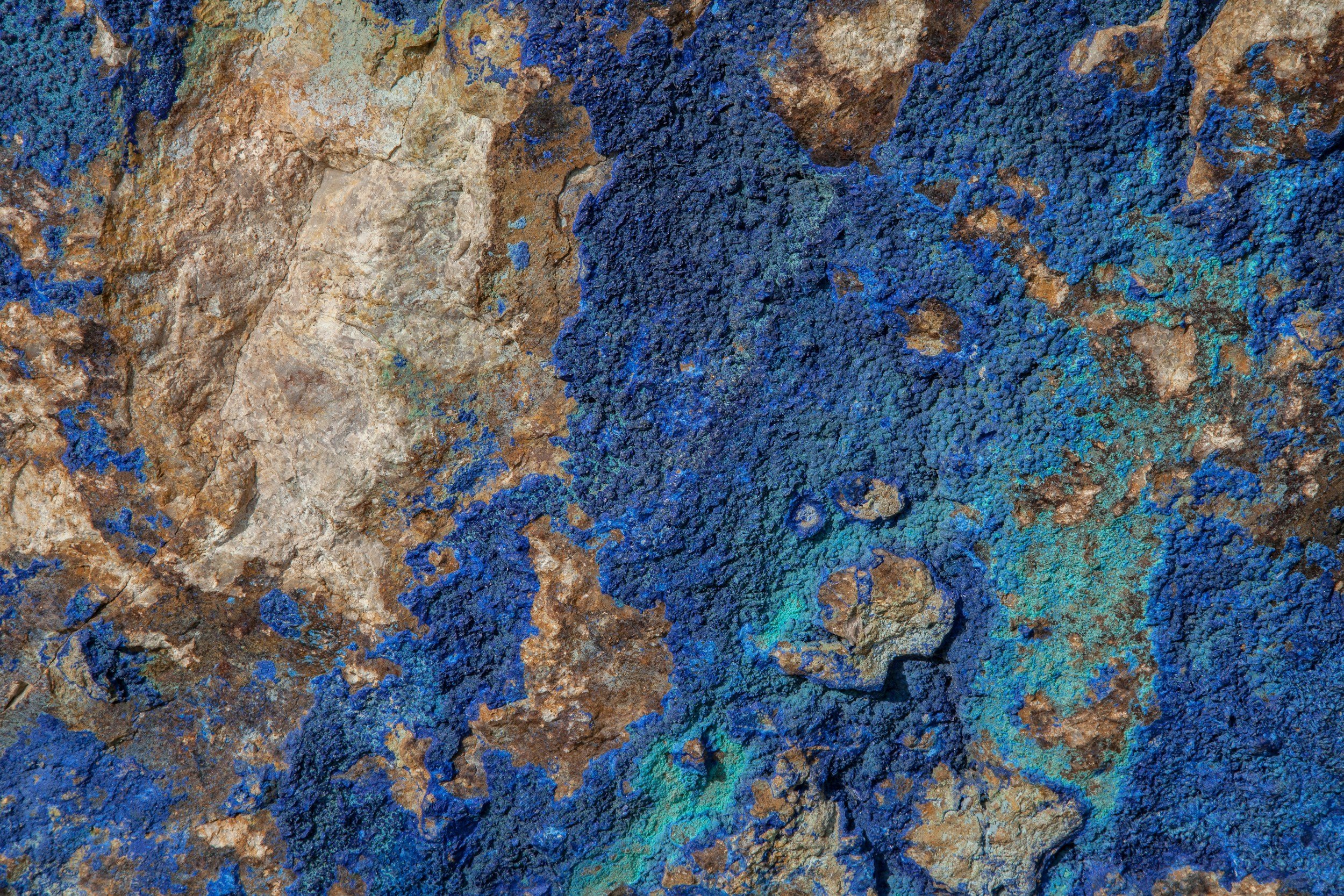
Understanding Minerals

Minerals are the essential nutrients which play a crucial role in maintaining our overall health and well-being. However, in today's fast-paced world, mineral deficiencies have become increasingly common. From soil depletion, chronic stress and the widespread use of medications, minerals are missing from our bodies.

Read More
Nourish, gut health, Food Therapy Inner Gardener Acupuncture Nourish, gut health, Food Therapy Inner Gardener Acupuncture

The Healing Power of Dandelion

The liver plays a crucial role in detoxification, breaking down harmful substances and metabolizing drugs. Dandelion root tea aids in this process by stimulating bile production, which helps in the digestion and absorption of fats and fat-soluble vitamins. Additionally, its diuretic properties support the elimination of waste products through urine, further enhancing detoxification.
Read More
Nourish, gut health, Food Therapy Dr. Audrey Powell L.Ac. DACM Nourish, gut health, Food Therapy Dr. Audrey Powell L.Ac. DACM

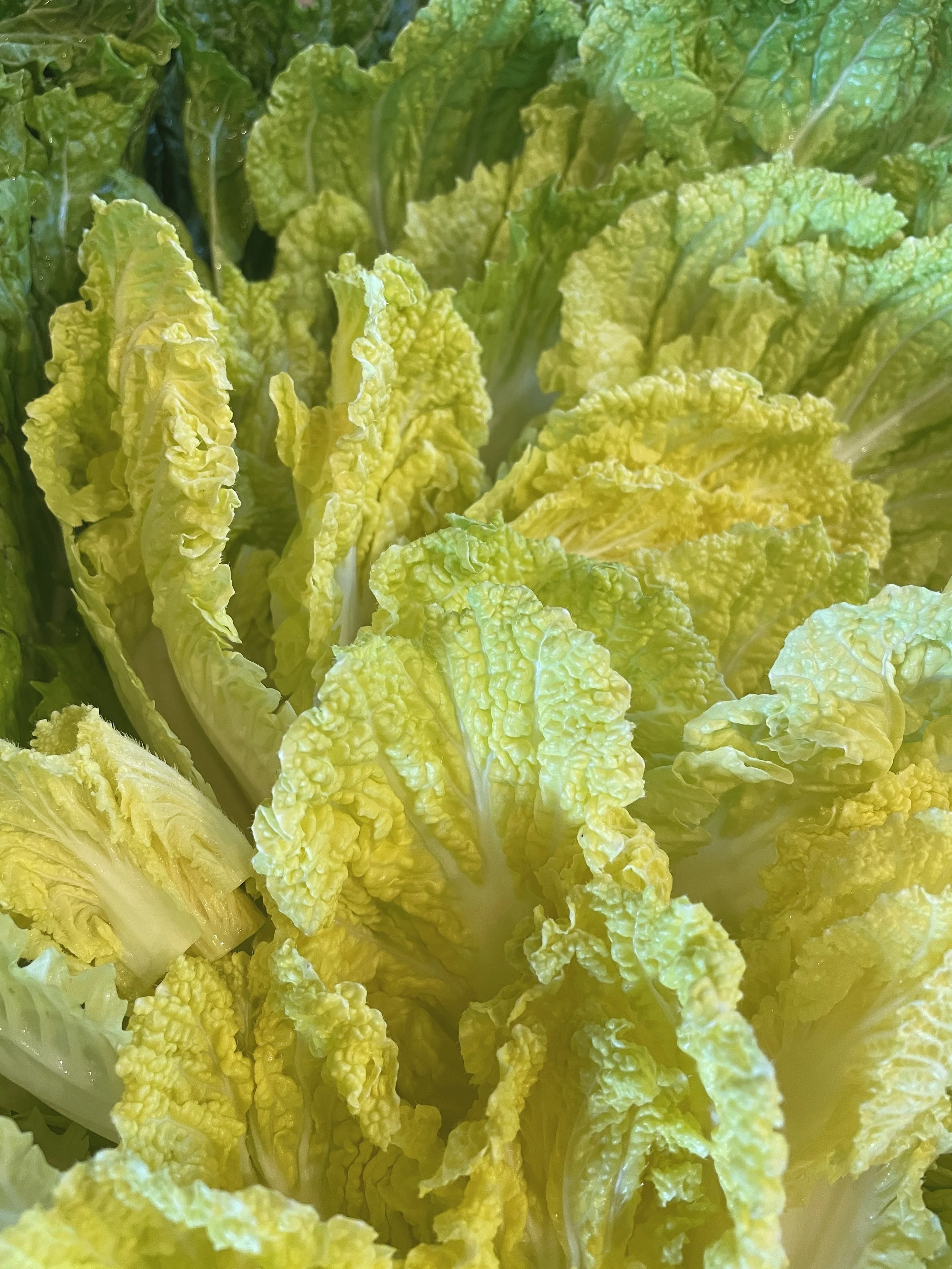
Gut Health Starts in the Grocery Cart

The bottom line is this: If these foods don’t make it into your grocery cart, they won’t make it into your body either. Normalizing gut function is the most important protocol in taking back your health. And the number one way to normalize gut function you may ask? Avoid foods that feed the bad gut bacteria.

Read More
Damp, TCM, gut health, Food Therapy Inner Gardener Acupuncture Damp, TCM, gut health, Food Therapy Inner Gardener Acupuncture

What Is Dampness in Traditional Chinese Medicine?

In TCM the environment and weather are considered integral aspects of health. Traditional Chinese Medicine theory identifies climactic factors such as wind, cold, heat, and dampness, each associated with distinct patterns of imbalance within the body. Dampness, often viewed as a Yin pathogen, is considered a common contributor to various health concerns from ezcema, IBS, joint pain and fatigue.
Read More
Nourish, Food Therapy Inner Gardener Acupuncture Nourish, Food Therapy Inner Gardener Acupuncture

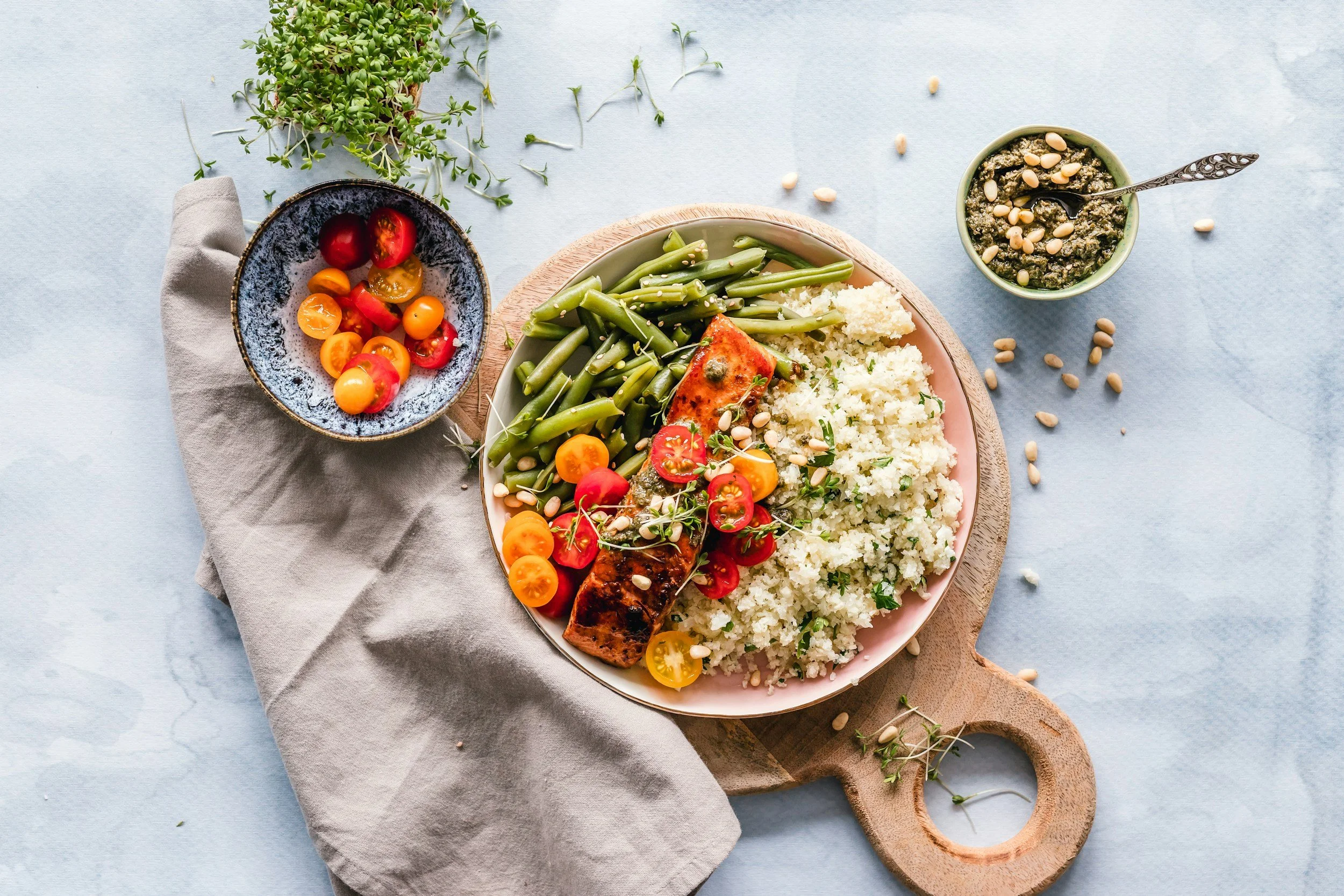
TCM Food Therapy

By including foods from each flavor category, TCM aims to harmonize the energies of the corresponding organs and elements in the body. This balance supports overall health and can prevent illness. Consuming a variety of colored foods is thought to nourish and balance the associated organ systems and elements. For example, eating green vegetables supports the liver and Wood energy, while consuming red foods can benefit the heart and Fire energy.

Read More

Women’s Health Featured

Close-up of dry, cracked earth in shades of tan and light brown.

Why Yin Matters in PeriMenopause & Beyond

Yin is the body’s cooling and nourishing foundation. It includes:

  • Fluids and Blood that moisten tissues and joints

  • Essence (Jing), our deep reserves tied to hormones and aging

  • The ability to rest, repair, and sleep deeply

When Yin is sufficient, we feel calm, grounded, hydrated, emotionally steady, and resilient.

Perimenopause and menopause are closely linked to the Kidney system in TCM, which governs hormones, aging, bones, and long-term vitality.

As women move into midlife, Kidney Yin naturally begins to decline. This is not a failure of the body—it’s a normal transition.

Think of it like a pond slowly receding.
When the water level drops, the sun feels hotter on the land.

In the body, this looks like less cooling Yin to balance Yang, which can create sensations of heat, dryness, and restlessness.

This stage is often called the “Second Spring” in TCM—a shift away from fertility and toward longevity, wisdom, and preservation. The key is learning how to protect and replenish Yin during this transition.

Blood Deficiency: The Hidden Root of Dry Skin, Hair Loss, & Fatigue

In TCM, Blood is one of the body’s essential substances. It works closely with Qi (energy) and plays a central role in physical strength, mental clarity, skin, emotional balance, and reproductive health.

Blood in TCM is about quality, circulation, and function, not just volume.

Blood also anchors the Shen (mind and spirit), promoting emotional stability, clear thinking, and restful sleep. In women especially, healthy Blood supports menstruation, fertility, and hormonal balance across all life stages.

Blood deficiency can look different from person to person. Common signs include:

  • Pale complexion or lips

  • Fatigue and weakness

  • Dizziness or lightheadedness

  • Dry skin, hair, or eyes

  • Brittle nails or hair

  • Poor memory or concentration

  • Anxiety or restlessness

  • Difficulty falling asleep

  • Numbness or tingling in limbs

  • Scanty, delayed, or irregular periods

  • Fertility challenges