
FAQ’s
Whether you’re new to acupuncture or a regular patient, all your questions are answered here.

A Space to Slow Down and Reset
Many people describe acupuncture as one of the few places where they truly get to pause—and re-set your week.
Whether you’re seeking support for pain, stress, sleep, digestion, hormonal transitions, or simply a deeper sense of balance, acupuncture offers a calm, thoughtful space to reconnect with your body.
If you’re curious, the best way to understand acupuncture is to experience it for yourself!
What to Expect at an Acupuncture Treatment
If you’ve never tried acupuncture before, it’s completely normal to feel curious—and maybe a little unsure—about what the experience will be like. Acupuncture is a gentle, supportive therapy rooted in Traditional Chinese Medicine (TCM) that focuses on helping your body restore balance and communicate more effectively with itself.
Here’s what you can expect when you come in for an acupuncture session.
Your First Visit: A Conversation First
Your first appointment always begins with a thorough conversation. This is your time to be heard.
We’ll talk about:
Your current symptoms and health concerns
Sleep, digestion, energy, stress, and mood
Medical history, medications, and lifestyle
Your goals for care
In TCM, symptoms are viewed as clues about the body’s internal patterns. Rather than focusing on a single issue, we look at how systems are connected—so this intake helps guide a personalized approach.
How does acupuncture work?
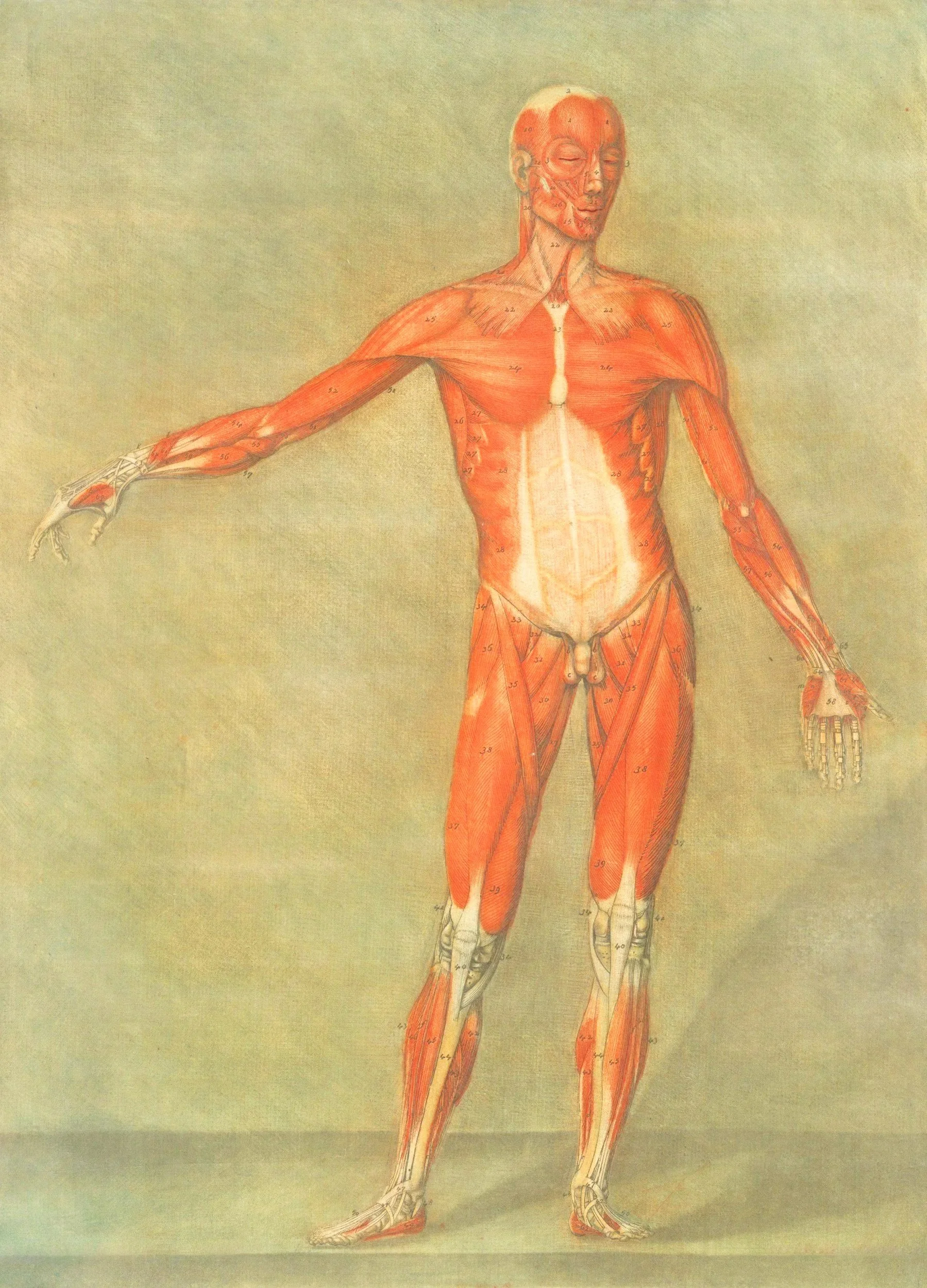

The Acupuncture channel system is closely related to the following:
Vascular System (blood and vessels)
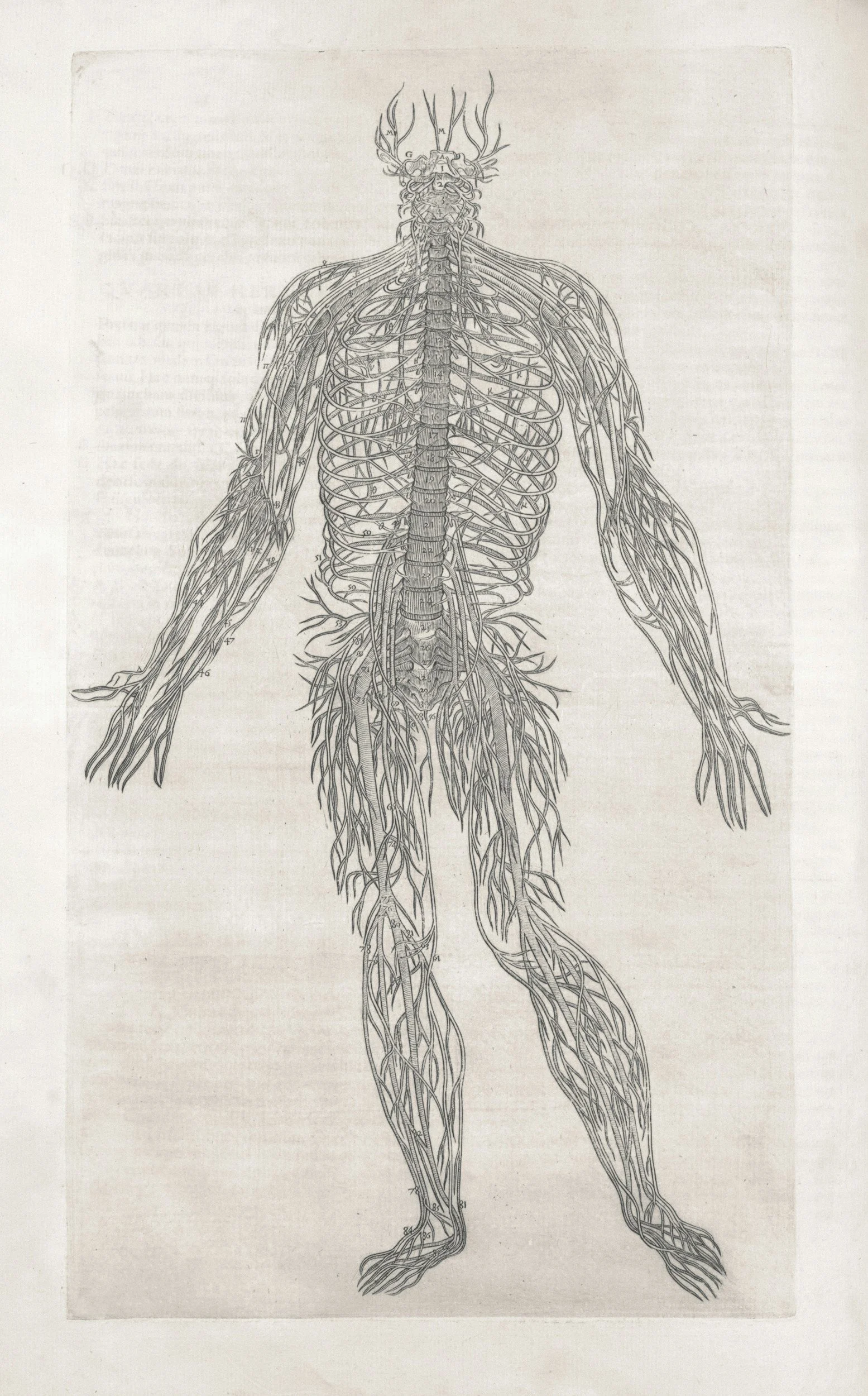
Nervous System (brain, spinal cord, peripheral branches and nerve plexus)
Limbic System (emotional and behavioral)
Enteric System (gastrointestinal)
Fascia (connective tissue and muscles)
Organs (Gall Bladder, Liver, Spleen, Stomach, Intestines, Lung, Heart, Kidney, Urinary Bladder)
Reproductive System (ovaries, testes)
Acupuncture stimulates the body’s nervous system, promoting blood flow, reducing inflammation, and triggering the release of endorphins (your body’s natural painkillers).
It also helps regulate, deeply the autonomic nervous system, supporting the body's shift from a “fight-or-flight” state to a relaxed, healing state.
From a Traditional Chinese Medicine (TCM) perspective, acupuncture moves Qi through pathways called meridians or channels, helping to restore balance and health.
Is acupuncture painful?
Acupuncture needles are extremely thin, much finer than needles used for injections or blood draws. Most people feel little to no pain. You may feel a slight tingling, warmth, or pressure, which is a sign that the body is responding to the treatment.
How many sessions will I need?
Treatment frequency depends on your condition and health goals.
Chronic conditions often benefit from a regular schedule (weekly) for 6-12 weeks. Once symptoms improve, treatments can be spaced out for maintenance or prevention.