Acupuncture
-
Inflammatory bowel disorders, constipation, diarrhea, abdominal pain, IBS, bloating, acid reflux, nausea.
-
Low back pain, jaw pain, joint pain, injury recovery.
-
Wheezing, shortness of breath, excess mucus, lingering cough, ENT conditions, allergies.
-
Headaches and migraines, post- concussion, post-stroke care.
-
-
Hormone Health, Menopause, Fertility, painful periods.
What can acupuncture Help me with?
What is Traditional Chinese Medicine and Acupuncture?
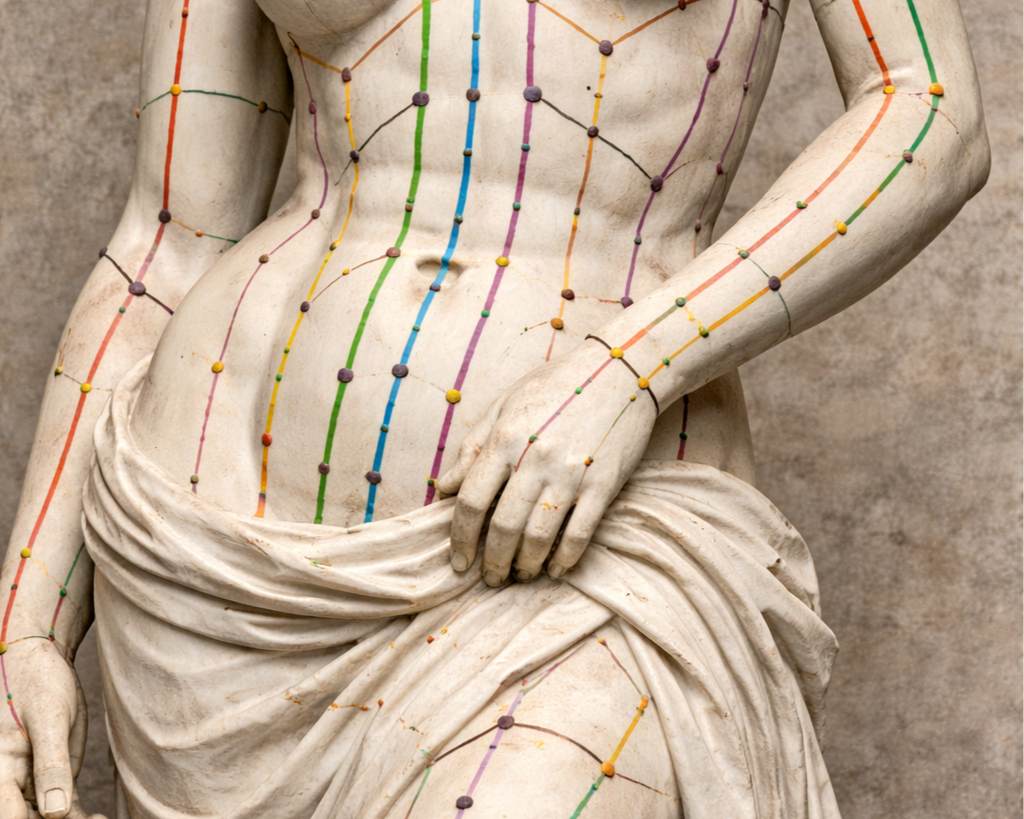
Traditional Chinese Medicine TCM, is one of the oldest continuously practiced medical systems in the world. But despite its age, its ideas are surprisingly modern.
At its core, TCM asks a simple question:
How does the body stay in balance—and what happens when it doesn’t?
Rather than separating the body into isolated parts, TCM views you as a living ecosystem. Digestion, sleep, mood, hormones, immunity, and pain are not separate systems—they are conversations happening all at once inside you.
Acupuncture is one of the main tools TCM uses to support those conversations.
The Body as a Network, Not a Machine
In Western science, we talk about nerves, blood vessels, hormones, fascia, and immune signaling. In TCM, we talk about Qi, blood, and fluids moving through pathways called meridians.
These two languages are not opposites—they are describing the same reality from different angles.
Modern research shows that acupuncture points are areas with:
Dense nerve endings
Rich blood and lymphatic flow
Active immune cells
Fascia intersections that transmit mechanical and electrical signals
When a very thin acupuncture needle is placed into one of these points, it doesn’t “add” anything to the body. Instead, it stimulates communication—between the nervous system, the brain, and the tissues.
Think of it like tapping gently on a microphone to restore sound. The signal was always there—it just needed clarity.
What Is Qi, Really?
Qi is often misunderstood as something mystical. In reality, Qi describes function and movement.
Qi is circulation.
Qi is nerve signaling.
Qi is metabolism, warmth, rhythm, and repair.
When Qi moves smoothly, the body feels resilient and at ease. When it becomes stuck, depleted, or overwhelmed, symptoms appear—pain, fatigue, digestive trouble, anxiety, poor sleep.
Acupuncture helps restore healthy movement where things have slowed, tightened, or become overloaded.
The Role of the Organs in TCM
In TCM, organs are not just physical structures—they are functional systems.
For example:
The Liver helps regulate flow—of blood, hormones, and emotions
The Spleen governs digestion and energy production
The Lungs influence immunity, breathing, and boundaries
The Kidneys store long-term vitality and hormonal reserves
The Heart supports circulation, sleep, and emotional steadiness
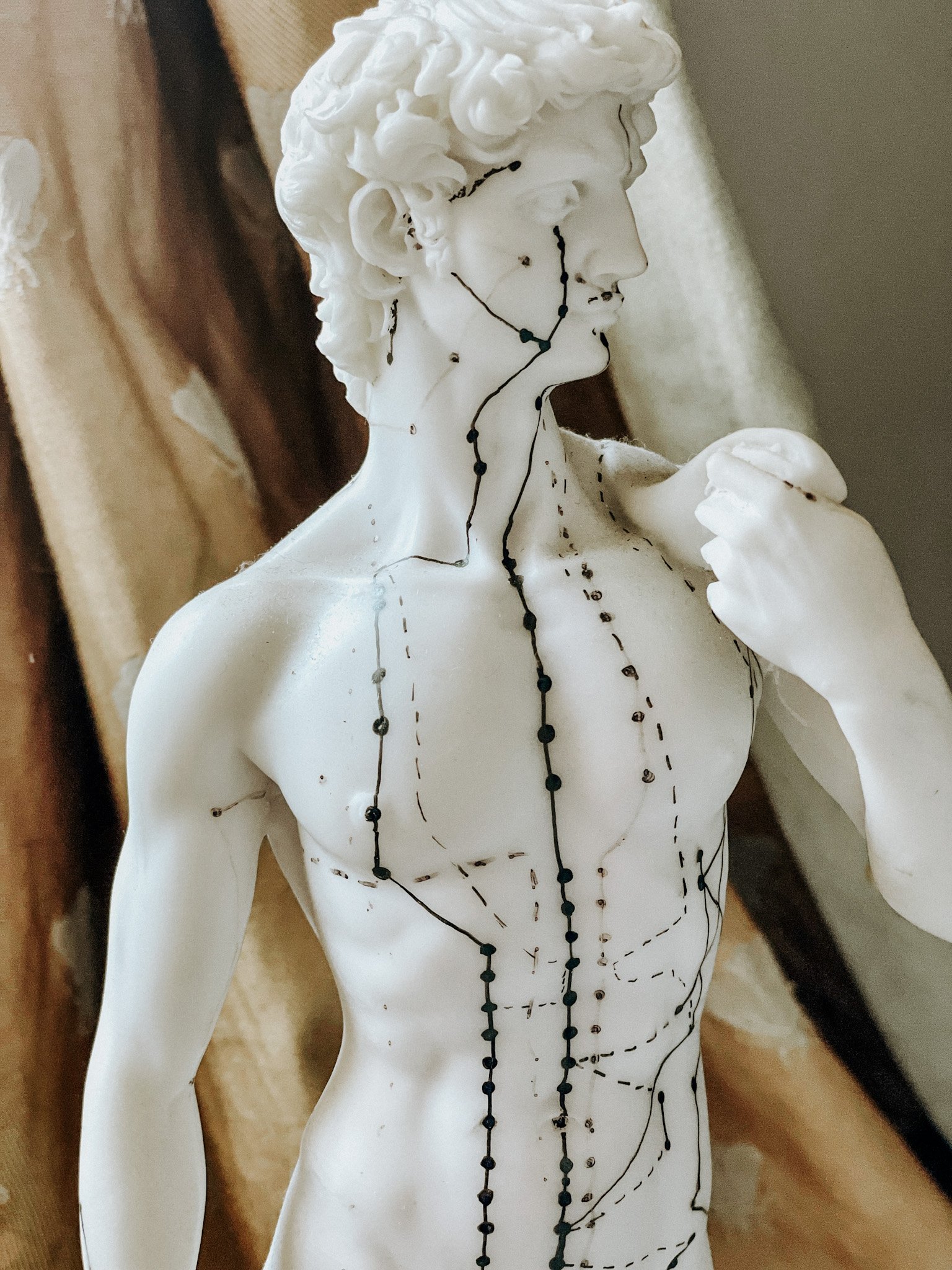
Each organ has a meridian, or pathway, that runs through the body and connects surface tissues to internal function. Acupuncture works along these pathways to help the body rebalance itself from the inside out.
What Does Acupuncture Feel Like?
Most people are surprised by how gentle acupuncture feels.
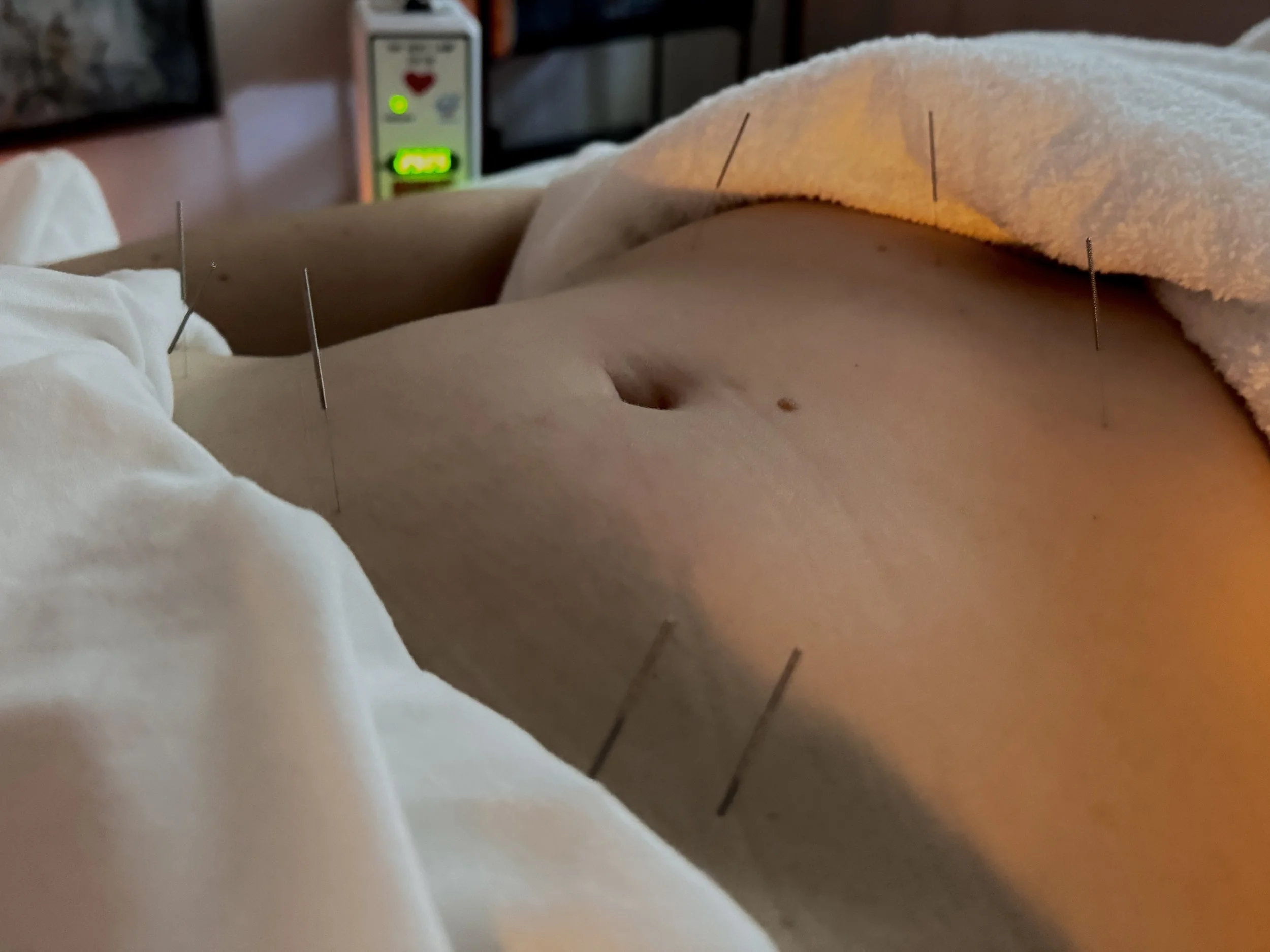
The needles are solid and hair-thin—nothing like hypodermic needles. Sensations may include warmth, heaviness, tingling, or a deep sense of relaxation. Many patients enter a calm, meditative state during treatment.
This happens because acupuncture helps shift the nervous system out of fight-or-flight and into rest-and-repair mode—where healing actually occurs.
Why People Use Acupuncture
People seek acupuncture for many reasons, including:
Pain and tension
Digestive issues
Stress, anxiety, and sleep problems
Hormonal changes
Fatigue and burnout
Immune support
What surprises many is that while they may come in for one issue, they often notice improvements in others. That’s because acupuncture isn’t chasing symptoms—it’s supporting the system underneath them.
A Gentle Invitation
TCM and acupuncture are not about forcing the body to change. They are about listening, supporting, and restoring balance.
Acupuncture works by supporting the body’s natural regulatory systems over time. There’s no instant cure—just steady, intentional signals that help the nervous system reestablish balance and function.
If you’re curious, tired of chasing symptoms, or simply want to understand your body better, acupuncture offers a calm, thoughtful place to begin.
Follow Us on Social