TCM Food Therapy
What Is TCM Food Therapy?
In Traditional Chinese Medicine (TCM), food is considered medicine. TCM food therapy uses everyday foods to support digestion, energy, hormones, immunity, and emotional balance. Instead of focusing on calories or macros, it looks at how food behaves in the body—how it warms or cools, dries or moistens, and how it supports specific organ systems.
Food therapy is based on pattern diagnosis and your TCM constitution. Meaning foods are chosen based on how your body is functioning, not just your symptoms. Two people eating the same food can have very different responses depending on their internal balance.
TCM Constitutions: The archetypal landscape
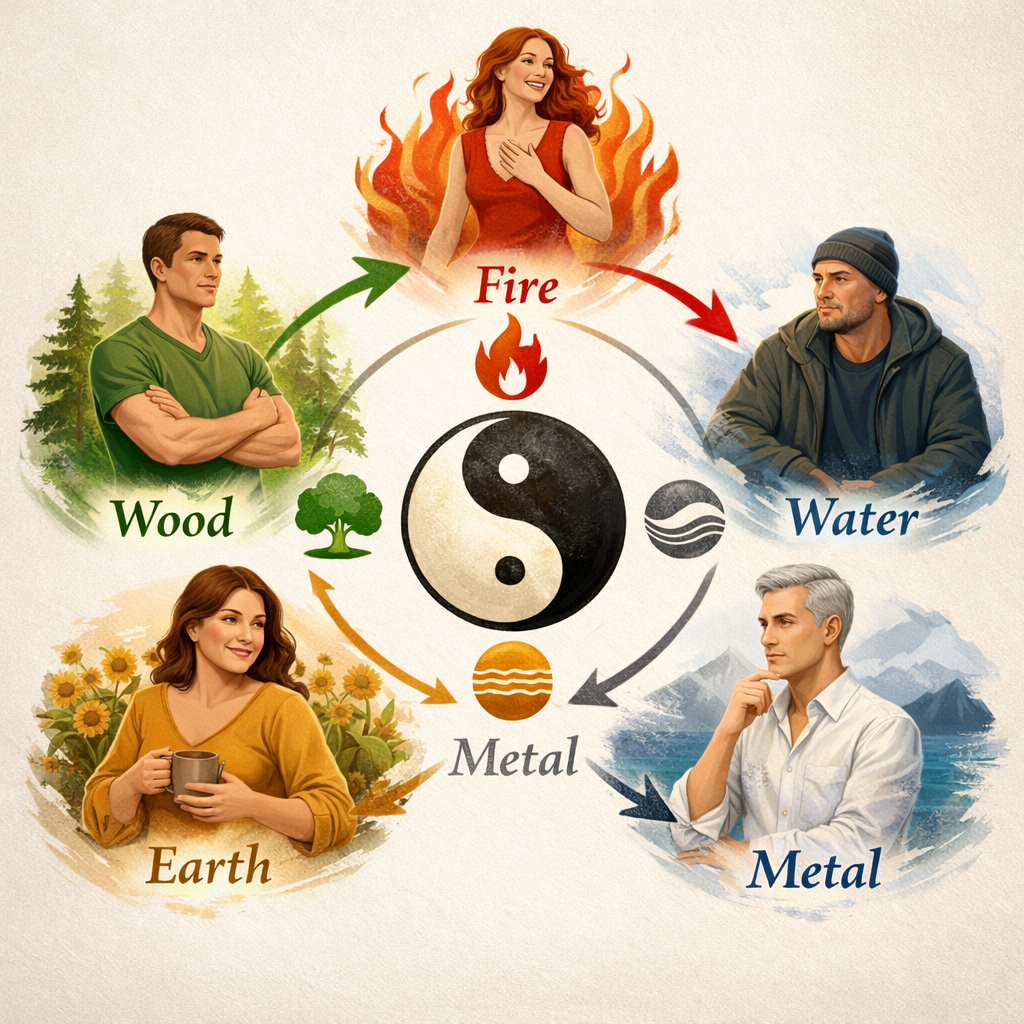
According to Traditional Chinese Medicine, your constitution is shaped by the Five Elements—Wood, Fire, Earth, Metal, and Water. Each person carries a unique blend of all five elements, with one or two typically expressing more strongly as your primary constitutional type. This constitutional makeup influences everything from your body type and digestion to your emotions, stress response, and how you move through the world. Understanding your dominant element offers insight into your strengths, vulnerabilities, and the deeper patterns shaping your health and well-being.
1.Water Type (Kidney / Bladder)
Water types often have a solid or compact build, with strong bones, darker hair, and a heavier or stockier frame; some may be shorter with deep-set eyes. They tend to be quiet, introspective, observant, and deeply thoughtful, often carrying wisdom beyond their years. Emotionally, fear and insecurity can live beneath the surface, even when they appear calm or reserved. Outwardly they may seem steady and grounded, but internally they struggle with exhaustion, burnout, or fear of survival and instability.
2. Fire Type (Heart / Small Intestine)
Fire types are often slender or wiry with bright eyes, expressive faces, quick movements, and an energetic presence that fills a room. They are charismatic, joyful, passionate, and thrive on connection, laughter, and meaningful conversation. Emotionally, they can struggle with anxiety, restlessness, or feeling scattered when out of balance. Outwardly they appear vibrant and animated, while inwardly they may battle overexcitement, insomnia, or emotional overwhelm.
3. Earth Type (Spleen / Stomach)
Earth types usually have a softer, rounder body shape, fuller face, and a nurturing, grounded presence. They are dependable, empathetic, thoughtful, and often the caretakers or “glue” in families and communities. Emotionally, they tend to worry, overthink, or put others’ needs before their own. Outwardly they appear stable and supportive, but internally they may struggle with fatigue, digestive issues, or feeling unappreciated.
4. Metal Type (Lung / Large Intestine)
Metal types often have refined features, fair or pale skin, upright posture, and a lean or angular build. They value order, cleanliness, integrity, and meaning, and often carry themselves with dignity or restraint. Emotionally, grief and sadness are their core challenges, especially when they feel a loss of purpose or connection. Outwardly they may appear composed and disciplined, while inwardly they struggle with letting go or emotional rigidity.
5. Wood Type (Liver / Gallbladder)
Wood types are usually taller or lean with strong muscles, defined features, and intense eyes. They are driven, ambitious, creative, and natural leaders who like movement and direction. Emotionally, they are prone to frustration, irritability, or anger when blocked or constrained. Outwardly they appear confident and decisive, while inwardly they may struggle with tension, impatience, or feeling stuck.
The Five Colors and the Organs
In this framework, color is more than visual—it reflects the energetic vibration of food and how it nourishes the body’s internal organs. Each of the Five Elements corresponds to a specific color, organ system, season, and emotional quality. Eating a variety of naturally colored foods helps support balance, vitality, and proper organ function. When one color is missing from the diet, the associated organ system may become weakened or imbalanced over time.
Green – Wood Element (Liver & Gallbladder)
Green foods support detoxification, circulation of Qi, and emotional flexibility. Leafy greens, herbs, sprouts, and sour flavors help the Liver move stagnation and reduce tension, irritability, and hormonal congestion.
Red – Fire Element (Heart & Small Intestine)
Red foods nourish the blood and support circulation, joy, and emotional connection. Foods like berries, beets, and red dates help strengthen the Heart, calm the mind, and support vitality and sleep.
Yellow / Orange – Earth Element (Spleen & Stomach)
Yellow foods strengthen digestion, energy production, and immune resilience. Squash, sweet potatoes, carrots, and grains help stabilize blood sugar, improve nutrient absorption, and ground overthinking.
White – Metal Element (Lungs & Large Intestine)
White foods support immunity, respiration, and elimination. Garlic, onions, pears, and radishes help clear mucus, support the lungs, and encourage healthy release—physically and emotionally.
Black / Dark Blue – Water Element (Kidneys & Bladder)
Dark-colored foods nourish the kidneys, adrenal system, and deep constitutional energy. Black beans, seaweed, bone broth, and black sesame support longevity, hormonal balance, and nervous system resilience.
Cravings: What They Tell Us
In TCM, cravings are not random—they’re messages:
Sugar cravings → weak digestion, fatigue, stress
Salty cravings → burnout, depletion
Spicy cravings → stagnation or congestion
Sour cravings → tension, Liver imbalance
Pattern Diagnosis (Why Food Therapy Is Personalized)
There is no single “perfect” diet for everyone. Instead, foods are chosen based on individual patterns of imbalance and how the body responds to temperature, texture, and energetics. What nourishes one person may weaken another—depending on their constitution, digestion, lifestyle, and current state of health.
TCM looks at several key patterns when choosing foods:
Cold vs. Heat:
Some people naturally run cold and need warming foods like soups, stews, ginger, and cooked vegetables. Others run hot and benefit from cooling foods such as cucumbers, leafy greens, and pears. Eating against your internal temperature can worsen symptoms like fatigue, inflammation, or digestive upset.
Excess vs. Deficiency:
Excess patterns involve stagnation or accumulation (bloating, inflammation, tension), while deficiency reflects weakness or depletion (fatigue, low appetite, poor recovery). Foods are selected either to gently reduce excess or to nourish and rebuild deficiency.
Dampness vs. Dryness:
Dampness shows up as heaviness, mucus, bloating, or brain fog, often worsened by sugar, dairy, and greasy foods. Dryness appears as dry skin, constipation, thirst, or brittle hair and benefits from moistening foods like soups, stews, and healthy fats.
Stagnation vs. Free Flow:
When Qi and blood are stuck, symptoms like pain, irritability, PMS, or digestive sluggishness arise. Movement-promoting foods—such as citrus, herbs, spices, and lightly bitter greens—help restore flow and ease tension.
For example, raw salads may be energizing for one person, yet cause bloating, loose stools, or fatigue in someone with weak digestion or Spleen Qi deficiency. In TCM, food is considered a form of medicine—its preparation, temperature, and timing are just as important as the ingredients themselves.
Seasonal Eating in TCM
TCM emphasizes eating with the seasons:
Spring: light, green, moving foods
Summer: cooling, hydrating foods
Fall: moistening foods for lungs
Winter: warming, nourishing foods
Seasonal foods naturally match what the body needs most at that time.
The Goal of TCM Food Therapy
TCM food therapy is not restrictive—it’s supportive. It helps the body digest better, regulate hormones, manage stress, and maintain balance over time.
Food becomes a daily way to heal—not something to fear or overthink.
If you’re curious how food therapy applies to your body and symptoms, a personalized approach can make all the difference.
Want to learn more? Schedule an online TCM Constitution Consultation today!