
In Traditional Chinese Medicine (TCM), food is more than fuel—it is daily medicine. One of the most important dietary principles in TCM is eating warm or cooked foods, especially for digestion, energy, and mental clarity.
This idea centers around a concept known as digestive fire—the body’s ability to break down food, absorb nutrients, and turn what we eat into usable energy.
Cold or raw foods require the body to spend extra energy warming them before digestion can even begin. Over time, this drains digestive fire.
Warm foods, on the other hand:
Are easier to digest
Support nutrient absorption
Help maintain steady metabolism
Reduce bloating and stagnation
This is why TCM strongly favors soups, stews, porridges, and cooked vegetables, especially in the morning and colder months.
The Importance of Hot or Warm Foods in Traditional Chinese Medicine
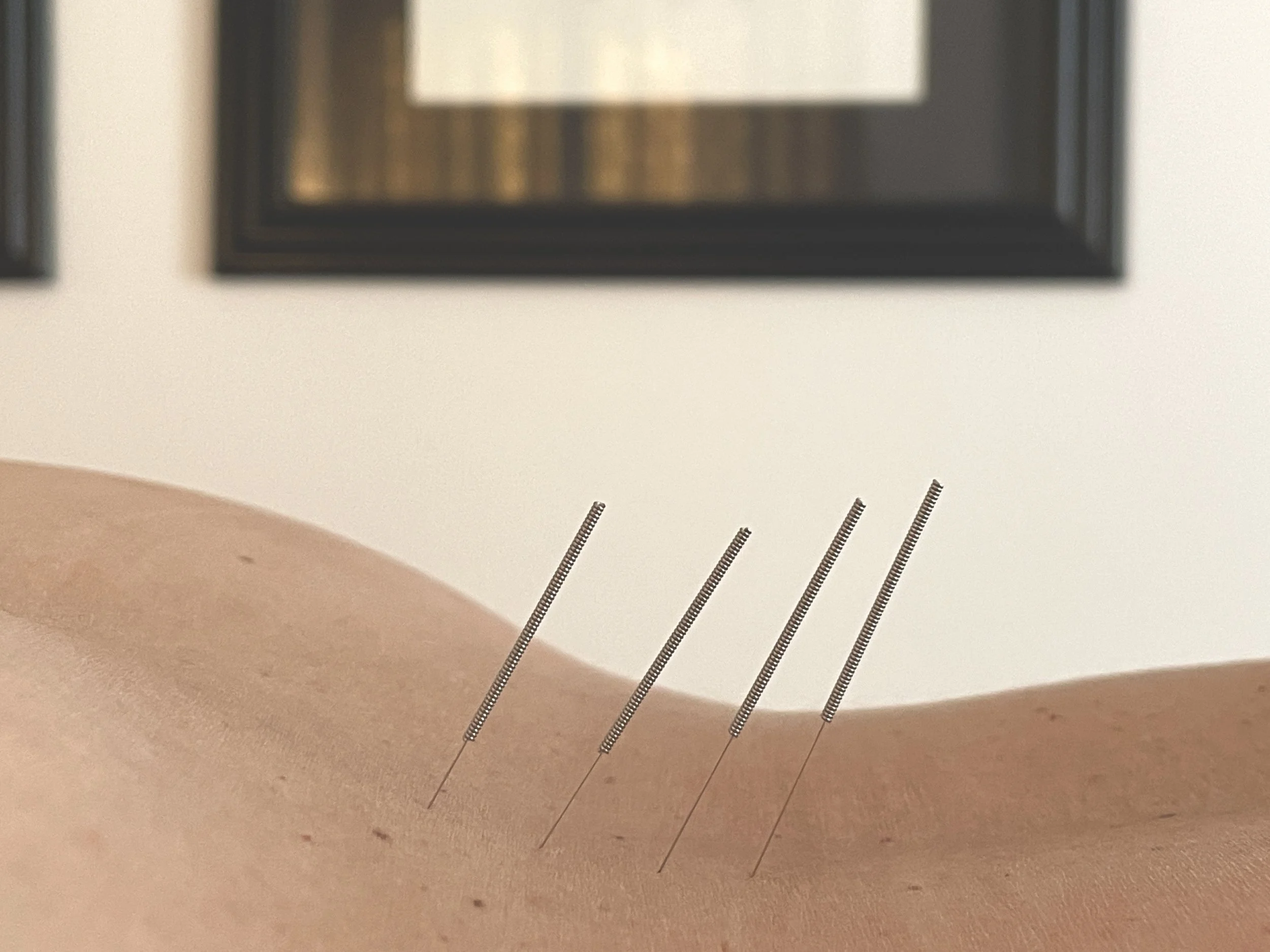
Acupuncture & Meridians: The body’s communication network
Acupuncture points are specific locations just beneath the surface of the skin. These areas have a high concentration of nerve endings, blood vessels, lymphatic channels, immune cells, and connective tissue (fascia).
When a very thin needle is placed into one of these points, it sends a gentle signal to the nervous system. This signal travels to the brain and spinal cord and tells the body to shift out of stress mode and into repair mode.
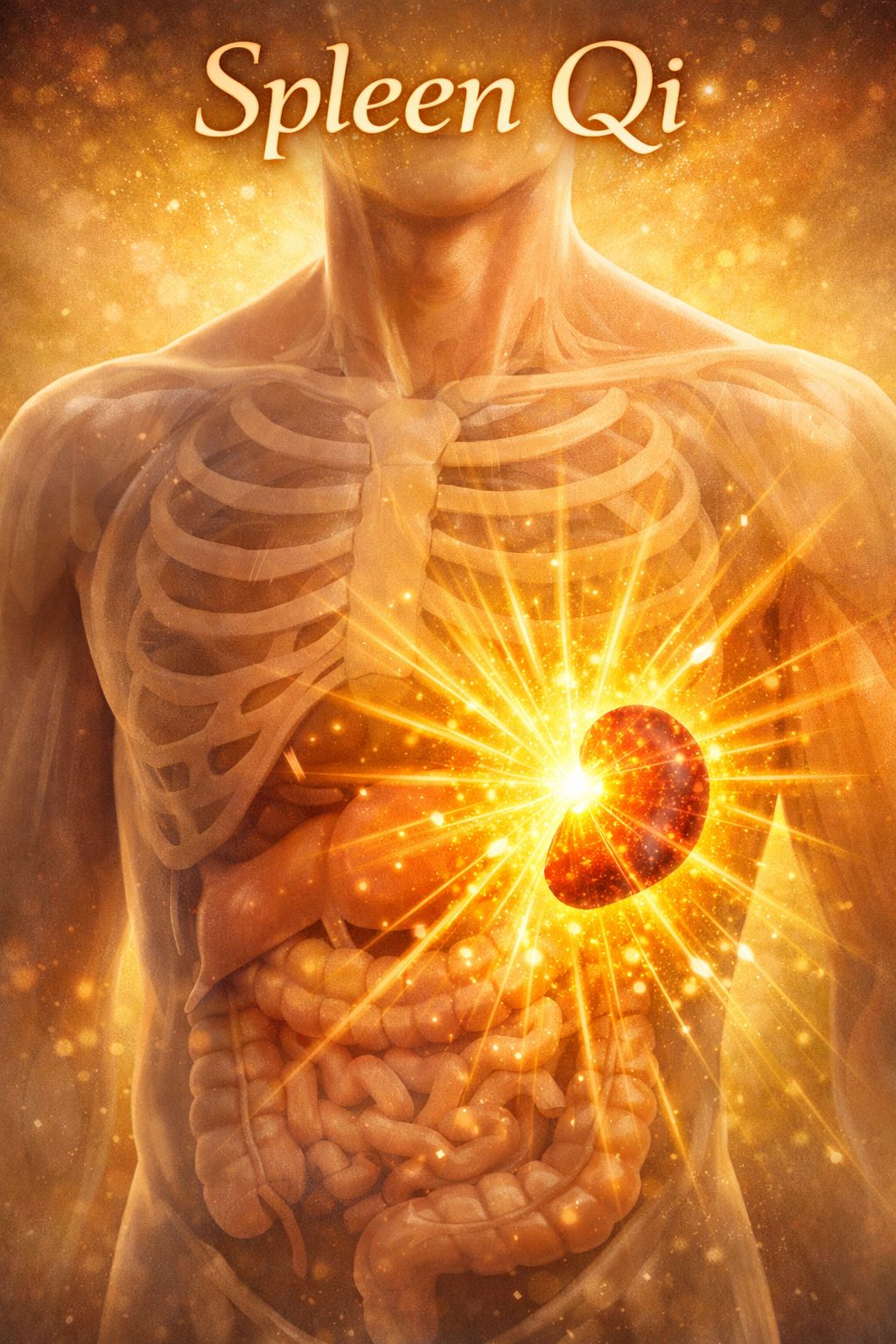
Understanding Spleen Qi: The Foundation of Energy, Blood, and Immunity
In Traditional Chinese Medicine (TCM), the Spleen is one of the most important organs for overall health. It is responsible for transforming food into energy, building blood, and supporting immune strength. When Spleen Qi is strong, digestion is efficient, energy is steady, the immune system is resilient, and the body feels grounded and nourished. When it is weak, symptoms often ripple throughout the entire system.

Why December Feels Rushed & What Ancient Calendars and rhythms Teach Us
Every December, many of us feel a familiar pressure rising—holiday events, travel, family gatherings, year-end deadlines, and the quiet hope that we can simply “get through” it all. Beneath the glitter and celebration, there’s often a subtle undertone of anxiety or unease, as though we’re racing toward an ending that doesn’t actually align with the natural world.
What Is Traditional Chinese Medicine?
Traditional Chinese Medicine (TCM) goes beyond acupuncture for pain relief. Using pattern diagnosis, acupuncture, and herbal medicine, TCM identifies the root causes of symptoms—such as fatigue, digestive issues, hormonal changes, or chronic pain—and corrects the underlying dysfunctions before they progress into disease. Learn how this time-tested system complements modern medicine by addressing the whole body as an interconnected network.

Acupuncture and the Autonomic Nervous System: More Than Just Pain Relief
When people come in for acupuncture, they often expect one thing: pain relief. But then they start noticing the side benefits. “My sleep is deeper.” “My blood pressure is better than it’s ever been.” “I feel calmer.”
These changes happen because acupuncture works through your autonomic nervous system (ANS)—the body’s built-in regulator of balance and health.

Does Acupuncture Work? Let’s Talk Terrain, Not Magic Wands
If you’ve ever typed “Does acupuncture work?” into Google while wincing in pain, battling a stubborn symptom, or navigating fertility struggles, you’re not alone.
This question shows up in my treatment room all the time — usually followed by:
“So… will this fix me?”
“Will I be pain-free after today?”
“Can you make me pregnant?”
“Can you cure me?”
Ah, the magic wand myth.
Let’s break this down together. Acupuncture isn’t pixie dust. It’s not a one-time fix. It doesn’t “treat” disease in the conventional Western sense. What it does do — beautifully, powerfully, and consistently — is shift your terrain.

Women’s Health Featured
Why Yin Matters in PeriMenopause & Beyond
Yin is the body’s cooling and nourishing foundation. It includes:
Fluids and Blood that moisten tissues and joints
Essence (Jing), our deep reserves tied to hormones and aging
The ability to rest, repair, and sleep deeply
When Yin is sufficient, we feel calm, grounded, hydrated, emotionally steady, and resilient.
Perimenopause and menopause are closely linked to the Kidney system in TCM, which governs hormones, aging, bones, and long-term vitality.
As women move into midlife, Kidney Yin naturally begins to decline. This is not a failure of the body—it’s a normal transition.
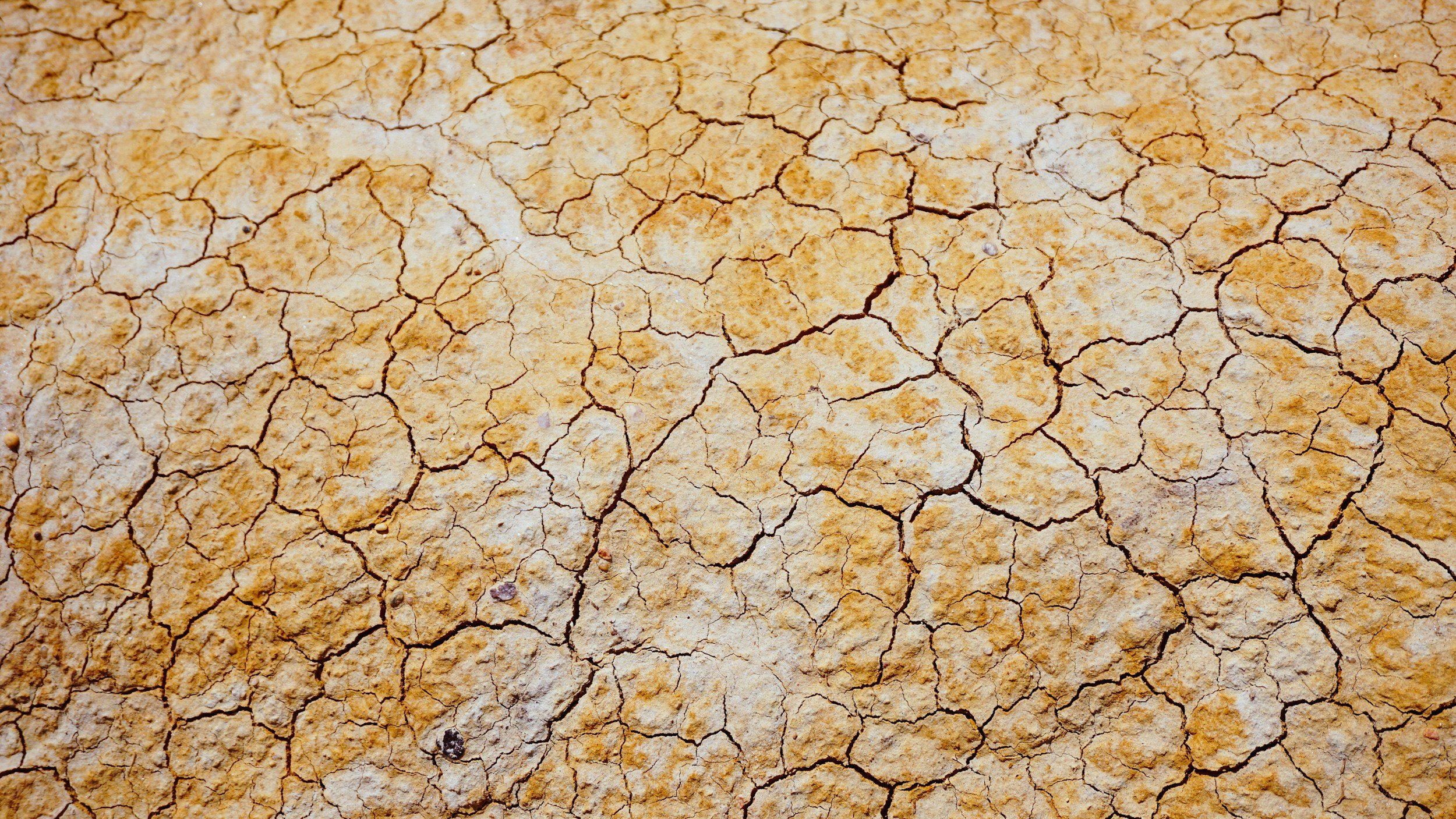
Think of it like a pond slowly receding.
When the water level drops, the sun feels hotter on the land.
In the body, this looks like less cooling Yin to balance Yang, which can create sensations of heat, dryness, and restlessness.
This stage is often called the “Second Spring” in TCM—a shift away from fertility and toward longevity, wisdom, and preservation. The key is learning how to protect and replenish Yin during this transition.

Blood Deficiency: The Hidden Root of Dry Skin, Hair Loss, & Fatigue
In TCM, Blood is one of the body’s essential substances. It works closely with Qi (energy) and plays a central role in physical strength, mental clarity, skin, emotional balance, and reproductive health.
Blood in TCM is about quality, circulation, and function, not just volume.
Blood also anchors the Shen (mind and spirit), promoting emotional stability, clear thinking, and restful sleep. In women especially, healthy Blood supports menstruation, fertility, and hormonal balance across all life stages.
Blood deficiency can look different from person to person. Common signs include:
Pale complexion or lips
Fatigue and weakness
Dizziness or lightheadedness
Dry skin, hair, or eyes
Brittle nails or hair
Poor memory or concentration
Anxiety or restlessness
Difficulty falling asleep
Numbness or tingling in limbs
Scanty, delayed, or irregular periods
Fertility challenges