
In Traditional Chinese Medicine (TCM), food is more than fuel—it is daily medicine. One of the most important dietary principles in TCM is eating warm or cooked foods, especially for digestion, energy, and mental clarity.
This idea centers around a concept known as digestive fire—the body’s ability to break down food, absorb nutrients, and turn what we eat into usable energy.
Cold or raw foods require the body to spend extra energy warming them before digestion can even begin. Over time, this drains digestive fire.
Warm foods, on the other hand:
Are easier to digest
Support nutrient absorption
Help maintain steady metabolism
Reduce bloating and stagnation
This is why TCM strongly favors soups, stews, porridges, and cooked vegetables, especially in the morning and colder months.
The Importance of Hot or Warm Foods in Traditional Chinese Medicine

Sciatica Relief With Acupuncture
Acupuncture offers a natural, non-pharmacological approach to managing sciatica. By reducing pain, improving functionality, decreasing inflammation and enhancing quality of life, acupuncture can be a valuable treatment for sciatica sufferers. If you are struggling with sciatica, book a new patient appointment and explore how this ancient practice can support your path to recovery.

Nerve Pain and the Benefits of Acupuncture
Nerve pain can be a persistent and challenging condition, and acupuncture offers a promising alternative for those seeking relief beyond conventional treatments. By stimulating the nervous system, improving blood flow and reducing stress, acupuncture can help manage and alleviate the symptoms of nerve pain.

Acupuncture for foot pain
Acupuncture can be a valuable tool in the treatment of foot pain. By stimulating the body's natural healing processes and reducing inflammation, acupuncture can help to relieve pain and improve mobility in the affected area. If you are suffering with foot pain, consider adding acupuncture to your treatment plan to help alleviate your symptoms and improve your quality of life.

TMJ + Jaw Pain
Acupuncture has emerged as a promising alternative therapy for TMJ. Several studies have shown its effectiveness in reducing pain, improving jaw function, and reducing stress and anxiety. It is also a safe and non-invasive treatment option that can be used in conjunction with other treatments. If you are suffering from TMJ, consider trying acupuncture as a natural and effective way to manage your symptoms.

Carpal Tunnel Syndrome
A study published in the Journal of Acupuncture and Meridian Studies found that acupuncture was effective in reducing pain and improving hand function in patients with CTS. The study involved 60 patients who were randomly assigned to receive either acupuncture or a placebo treatment. The acupuncture group received six sessions of acupuncture over a period of three weeks, while the placebo group received a sham treatment that involved the insertion of needles into non-acupuncture points. The results showed that the acupuncture group had significantly greater improvements in pain and hand function compared to the placebo group.

Nerve Pain and How Acupuncture Can Help
Acupuncture is considered a low-risk, non-pharmacologic therapy that can be used alongside other approaches. It does not replace medical care but can be a valuable part of a comprehensive support plan for nerve-related discomfort.
If you’re experiencing nerve pain and looking for a natural way to support your body’s healing response, acupuncture may be worth exploring.

Women’s Health Featured
Why Yin Matters in PeriMenopause & Beyond
Yin is the body’s cooling and nourishing foundation. It includes:
Fluids and Blood that moisten tissues and joints
Essence (Jing), our deep reserves tied to hormones and aging
The ability to rest, repair, and sleep deeply
When Yin is sufficient, we feel calm, grounded, hydrated, emotionally steady, and resilient.
Perimenopause and menopause are closely linked to the Kidney system in TCM, which governs hormones, aging, bones, and long-term vitality.
As women move into midlife, Kidney Yin naturally begins to decline. This is not a failure of the body—it’s a normal transition.
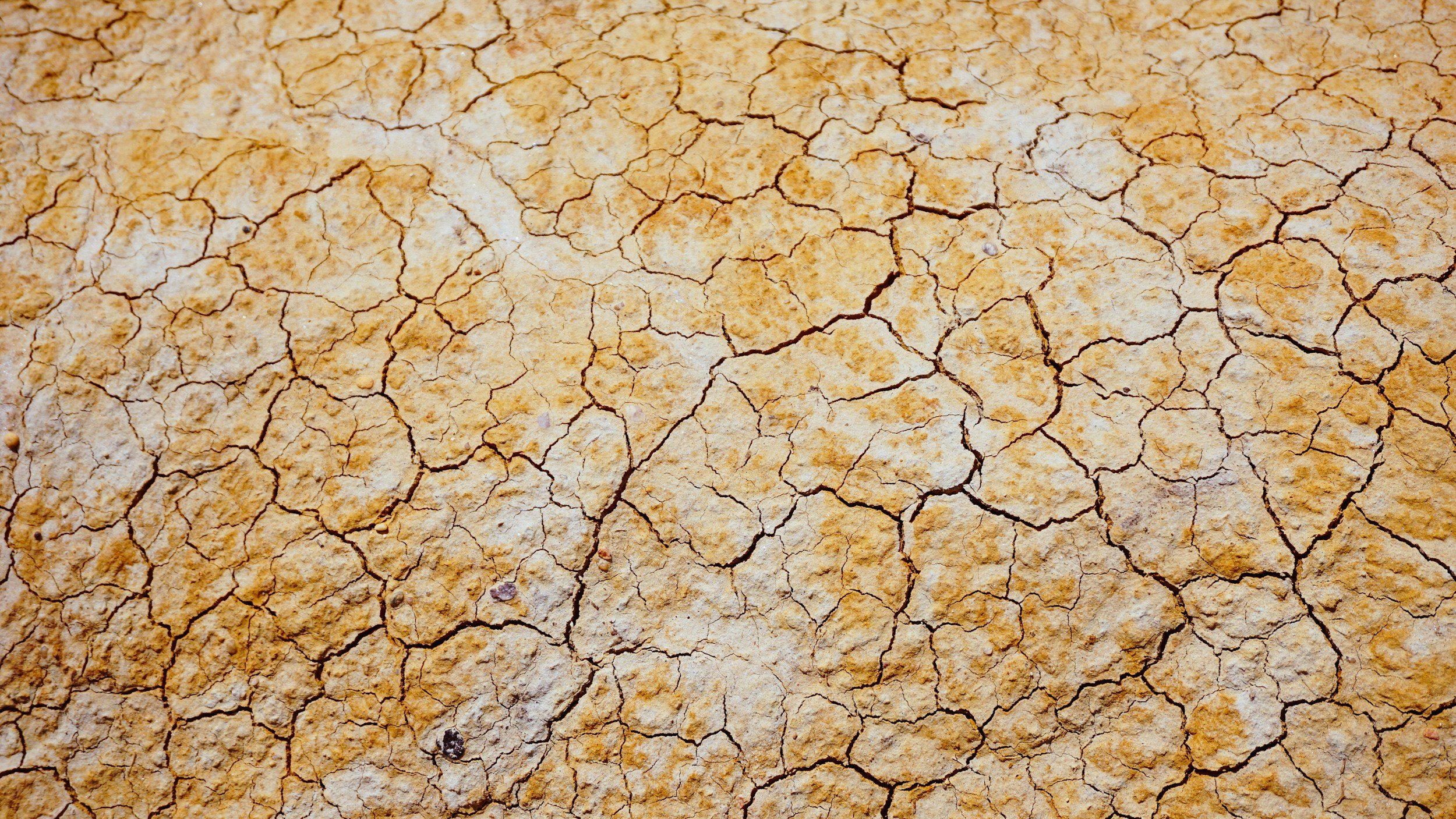
Think of it like a pond slowly receding.
When the water level drops, the sun feels hotter on the land.
In the body, this looks like less cooling Yin to balance Yang, which can create sensations of heat, dryness, and restlessness.
This stage is often called the “Second Spring” in TCM—a shift away from fertility and toward longevity, wisdom, and preservation. The key is learning how to protect and replenish Yin during this transition.

Blood Deficiency: The Hidden Root of Dry Skin, Hair Loss, & Fatigue
In TCM, Blood is one of the body’s essential substances. It works closely with Qi (energy) and plays a central role in physical strength, mental clarity, skin, emotional balance, and reproductive health.
Blood in TCM is about quality, circulation, and function, not just volume.
Blood also anchors the Shen (mind and spirit), promoting emotional stability, clear thinking, and restful sleep. In women especially, healthy Blood supports menstruation, fertility, and hormonal balance across all life stages.
Blood deficiency can look different from person to person. Common signs include:
Pale complexion or lips
Fatigue and weakness
Dizziness or lightheadedness
Dry skin, hair, or eyes
Brittle nails or hair
Poor memory or concentration
Anxiety or restlessness
Difficulty falling asleep
Numbness or tingling in limbs
Scanty, delayed, or irregular periods
Fertility challenges