
Nerve Pain and How Acupuncture Can Help
Nerve Pain and How Acupuncture Can Help
Nerve pain—also called neuropathic pain—occurs when nerves are irritated, compressed, or not functioning properly. Unlike muscle pain, nerve pain is often described as burning, shooting, tingling, electric, or numb, and it can be persistent and disruptive to daily life.
Common causes of nerve pain include:
Diabetes-related neuropathy
Post-surgical or injury-related nerve irritation
Disc herniations or “pinched nerves”
Repetitive strain or chronic inflammation
Shingles or viral nerve irritation
Because nerve pain involves both the nervous system and local tissues, it often requires a multi-layered approach to support healing and regulation.
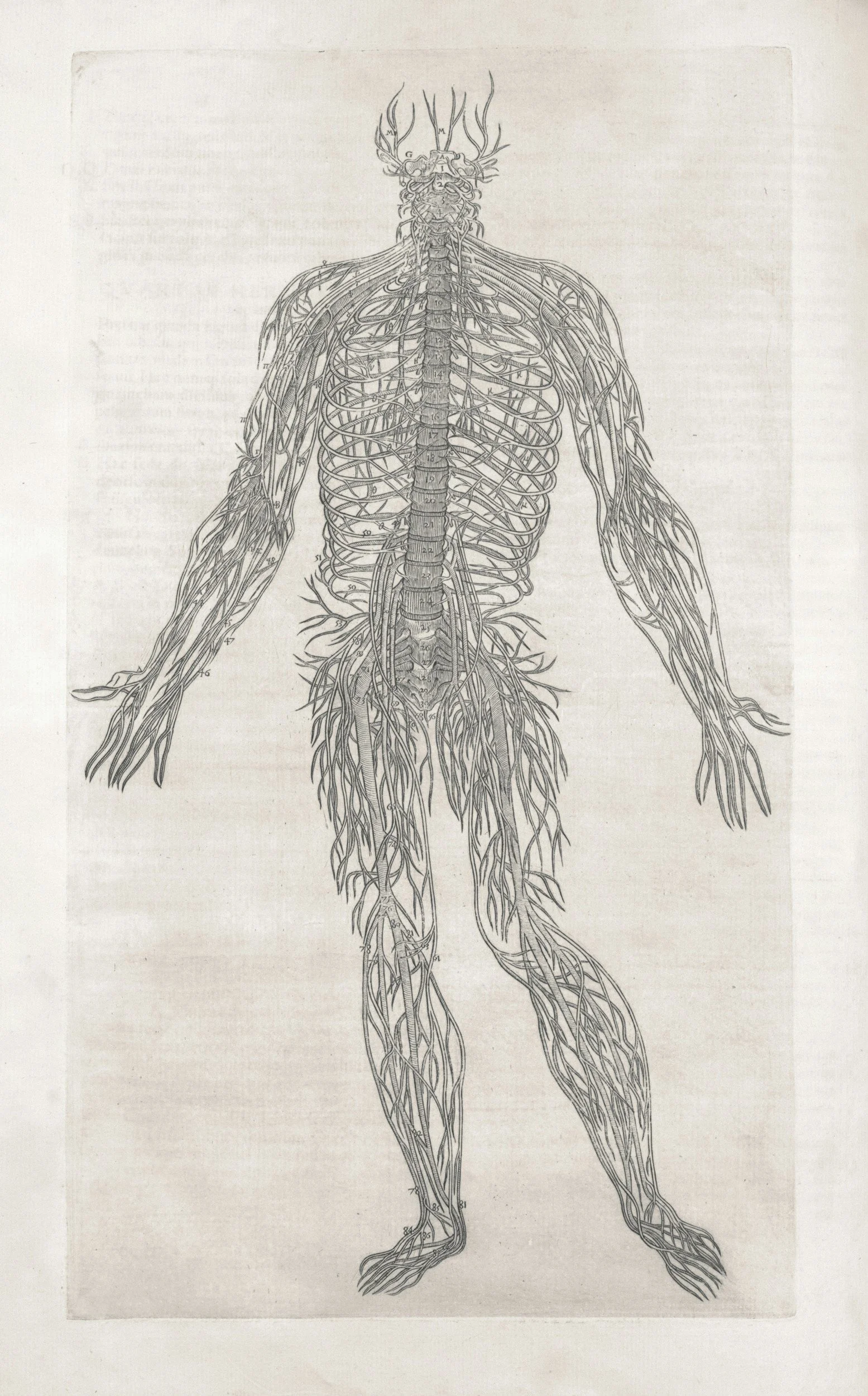
How Acupuncture Supports Nerve Pain
Acupuncture is commonly used to help manage nerve-related pain and discomfort by communicating directly with the nervous system.
When fine acupuncture needles are placed at specific points, they send signals through peripheral nerves to the brain and spinal cord. This stimulation has been shown to encourage the release of the body’s own pain-modulating chemicals, including:
Endorphins and enkephalins (natural pain-relieving compounds)
Serotonin (supports pain modulation and mood balance)
GABA (helps calm overactive nerve signaling)
By supporting these pathways, acupuncture can help reduce pain sensitivity, calm irritated nerves, and improve overall comfort.
Supporting Circulation and Nerve Recovery
Healthy nerves depend on adequate blood flow and oxygen delivery. Acupuncture is also used to support circulation in areas affected by nerve irritation.
Improved circulation may help:
Reduce local inflammation
Ease muscle tension that compresses nerves
Support the body’s natural repair processes
Many patients notice that as circulation improves, sensations like tingling, heaviness, or sharp pain begin to soften over time.
Additional TCM Modalities for Nerve Support
In Traditional Chinese Medicine, nerve pain is often viewed as a disruption in the smooth flow of Qi and Blood. Alongside acupuncture, other supportive therapies may be included:
Cupping Therapy
Uses gentle suction to increase circulation, release fascial tension, and reduce pressure around nerves.
Moxibustion
Applies warming herbal heat (from mugwort) to acupuncture points, often used when nerve pain feels cold, deep, or achy.
These therapies are selected based on the individual pattern and presentation, always with comfort and safety in mind.
What to Expect with Acupuncture for Nerve Pain
Acupuncture works best as a series of treatments, not a one-time fix. The nervous system needs consistent input to shift out of pain patterns.
Depending on how long symptoms have been present and their severity, care plans may include:
Weekly sessions initially
Gradual spacing as symptoms improve
Supportive lifestyle and movement guidance
Many people report improvements in pain intensity, mobility, sleep, and overall quality of life as care progresses.
A Gentle, Supportive Option
Acupuncture is considered a low-risk, non-pharmacologic therapy that can be used alongside other approaches. It does not replace medical care but can be a valuable part of a comprehensive support plan for nerve-related discomfort.
If you’re experiencing nerve pain and looking for a natural way to support your body’s healing response, acupuncture may be worth exploring.
Results vary by individual. Acupuncture supports the body’s natural regulatory and healing processes and is not a substitute for medical diagnosis or emergency care.
#nervepain #neuropathy #pinchednerve #nervoussystemhealth #acupuncture #painrelief #integrativecare